Remote work has been positioned as the solution for working mothers.
And in many ways, it is.
It offers flexibility, autonomy, and the ability to be more present at home.
But from experience—both in corporate leadership and years of working remotely while raising my children—I’ve learned this:
Flexibility without structure doesn’t create freedom.
It creates a different kind of pressure.
My Perspective
Before transitioning into remote work, I spent over a decade in high-level corporate environments, supporting executives and managing fast-paced operations.
Structure was everything.
Clarity was expected.
Execution had no room for inconsistency.
When I moved into remote work as a single mother, I carried that same level of discipline with me—but the environment was completely different.
The systems weren’t always there.
Expectations weren’t always clear.
And the line between work and home life quickly became blurred.
The Misconception About Remote Work
Remote work is often seen as the ability to “manage both” — career and childcare.
But in reality:
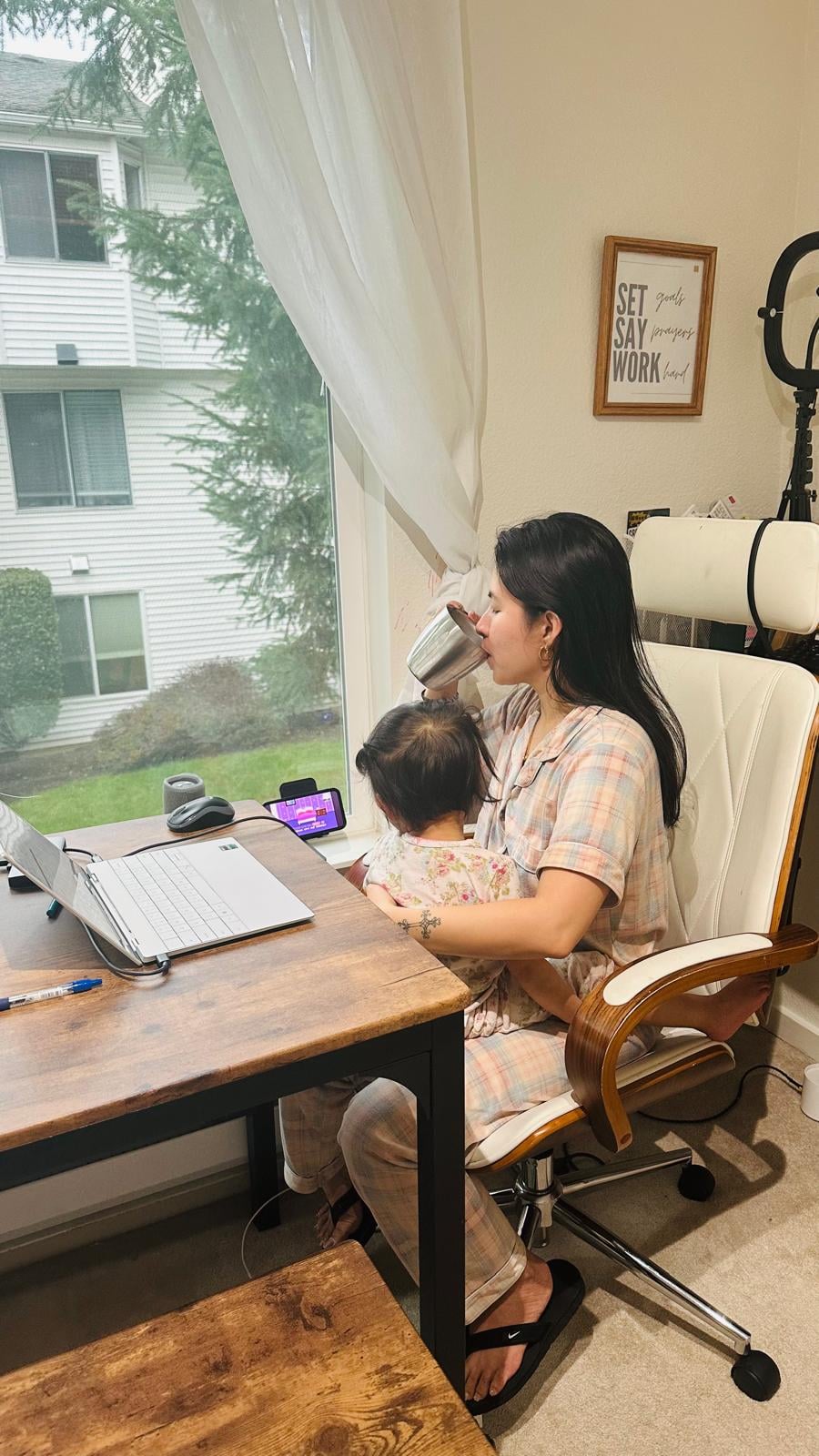
Working from home while caring for a child is not flexibility.
It’s managing two full-time responsibilities at once.
And without the right support, that model is not sustainable.
What Actually Makes Remote Work Sustainable
From experience, these are the factors that truly make remote work effective:
• Clear and structured work expectations
• Output-based performance, not constant availability
• Defined work hours with room for flexibility
• Reliable childcare support
• A culture that understands real-life responsibilities
Without these, flexibility becomes overwhelming instead of empowering.
The Hidden Cost
Many women compensate by:
• staying constantly available
• overdelivering to prove reliability
• working beyond reasonable hours
Not because they lack discipline—but because the structure isn’t there.
Over time, this leads to burnout—not growth.
Why I Built eCQtives
eCQtives was created to bring structure into remote work.
Not just for businesses—but for the women behind the work.
Because support should be:
• clear
• reliable
• sustainable
Not dependent on overworking or constant availability.
A Better Standard
Remote work is powerful.
But it works best when it’s supported by:
• systems
• clarity
• and intentional leadership
Because real flexibility isn’t about doing everything at once.
It’s about having the right structure in place—so both work and life can function well.